A full restaurant can still lose money. If the ingredient cost of a dish is miscalculated, every plate sold eats into the margin instead of building it. Restaurant food cost is the indicator that prevents this. Here is how to calculate it simply, which target to aim for and how to improve it without sacrificing quality.
What is food cost?
Food cost is the share of a dish’s selling price that pays for its ingredients. It is expressed as a percentage of the selling price excluding tax. A dish sold for €20 excluding tax whose ingredients cost €6 has a food cost of 30%: €14 remains to pay staff, rent, energy… and make a profit.
It is tracked at two levels: per dish, to set the right prices, and for the whole restaurant, to check each month that the actual margin matches the planned one.
The food cost formula
The formula is simple:
Food cost (%) = ingredient cost of one portion ÷ selling price excluding tax × 100
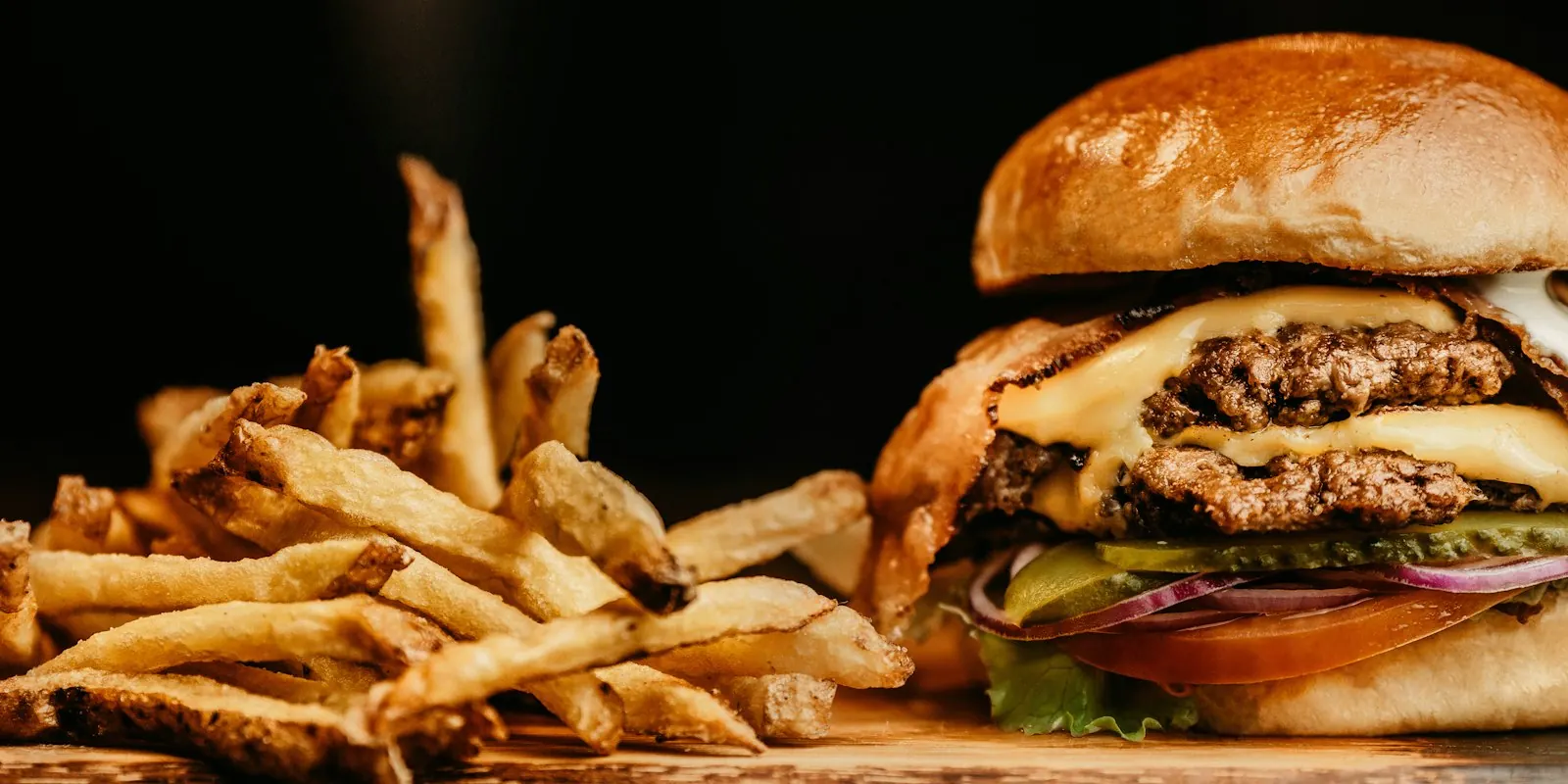
Example for a homemade burger sold at €15 including tax, i.e. about €13.64 excluding 10% VAT:
| Ingredient | Quantity | Cost |
|---|---|---|
| Brioche bun | 1 | €0.45 |
| Beef patty | 150 g | €1.80 |
| Cheddar | 2 slices | €0.35 |
| Lettuce, tomato, onion, sauce | — | €0.40 |
| Fries | 200 g | €0.50 |
| Total | €3.50 |
Food cost: 3.50 ÷ 13.64 × 100 = 25.7%. A good result for a burger.
The recipe card, the basis of every calculation
Without a recipe card, food cost remains a guess. A recipe card lists, for one portion, each ingredient, its exact quantity and its purchase price. Three rules to make it reliable:
- Count the net weight after peeling, trimming or cooking: 1 kg of raw leeks does not give 1 kg of usable leeks.
- Forget nothing: cooking oil, salt, garnish, sauce, bread served with the dish.
- Update prices every time your suppliers change them.
Restaurant management software does this work for you: you enter the recipe once, and the ingredient cost is recalculated as soon as a purchase price changes.
What food cost should you aim for?
There is no single figure: it all depends on your cuisine and your model. Commonly observed ranges:
| Type of venue | Usual food cost |
|---|---|
| Café, tea room, bar (excluding alcohol) | 15 to 25% |
| Pizzeria, crêperie | 20 to 28% |
| Fast food, burgers | 25 to 32% |
| Traditional restaurant, brasserie | 28 to 35% |
| Fish, premium meat, fine dining | 30 to 40% |
What matters is not a low food cost on every dish, but a sales-weighted average that meets your target. A dish at 40% can stay on the menu if it brings guests in and is offset by very profitable drinks or desserts.
The pricing multiplier
To go from cost to price, many restaurant owners use a multiplier: selling price excluding tax = ingredient cost × multiplier. A multiplier of 3.5 corresponds to a food cost of about 28.5%; a multiplier of 4, to 25%. Then adjust according to local prices and the perceived value of the dish.
Theoretical and actual food cost
Theoretical food cost comes from your recipe cards. Actual food cost is calculated over a period:
Actual food cost = (opening stock + purchases − closing stock) ÷ food sales excluding tax × 100
If the actual figure exceeds the theoretical one by more than two points, look for leaks: portions served too generously, losses, breakage, uncounted staff meals, ordering mistakes or theft.
6 levers to improve your food cost
- Standardise portions with ladles, scales and plating photos.
- Shorten the menu: fewer ingredients, less waste, better purchase prices.
- Showcase profitable dishes at the top of their category, with a great photo: our 7 techniques to raise the average spend explain how.
- Renegotiate regularly with your suppliers and compare prices.
- Reuse trimmings and surplus wisely in a dish of the day.
- Track your stock to order just what you need: it is also the best way to reduce food waste.
Automate the calculation
Calculating food cost by hand in a spreadsheet works for ten dishes, much less for a full menu that changes every season. With Qarteo, recipe cards are linked to stock and sales: every order taken on the QR menu or at the till deducts the ingredients and shows your food cost per dish. Try it for free and finally see the real margin of every plate.
Frequently asked questions
What is a good food cost for a restaurant?
Most restaurants aim for 25 to 35% of the selling price excluding tax. A pizzeria or a café can go below 25%, while fish or premium meat often goes above 35%.
How do I calculate the food cost of a dish?
Add up the cost of each ingredient for one portion (recipe card), then divide by the selling price excluding tax and multiply by 100.
What is the difference between theoretical and actual food cost?
Theoretical food cost comes from recipe cards; actual food cost compares purchases and stock changes with sales. The gap reveals losses, waste and portions that are too generous.